
How to Choose the Best Master Tailor in Hua Hin: Craftsmanship, Fabrics and Honest Guidance
Hua Hin offers the pleasure of commissioning clothing while enjoying time beside the coast. Choosing the right tailor, however, requires more thought than admiring a display jacket or comparing the first prices you receive.
The most useful evidence appears during the consultation: how carefully the tailor listens, how clearly the process is explained and how confidently fabric recommendations connect to your everyday needs. These details help you make an informed choice.
Begin with the Conversation
A good consultation should leave you with a clearer understanding of your garment. Expect questions about where you will wear it, the climate you live in, your preferred silhouette and the clothes you already find comfortable.
Notice whether the tailor explains the implications of your choices. A close-fitting jacket may need adjustment for comfortable movement. A softly woven cloth may behave differently from the crisp material in your reference photograph.
Honest guidance includes practical limits. The tailor should be able to explain what a fabric can achieve, which details suit the proposed design and what your schedule allows.
Share your budget and departure date early. These details help establish realistic options before you spend time selecting cloth or discussing elaborate finishes.
Look Beyond the Surface of a Sample
A finished jacket gives you something concrete to inspect. Ask to handle it, look inside and discuss how it was made.
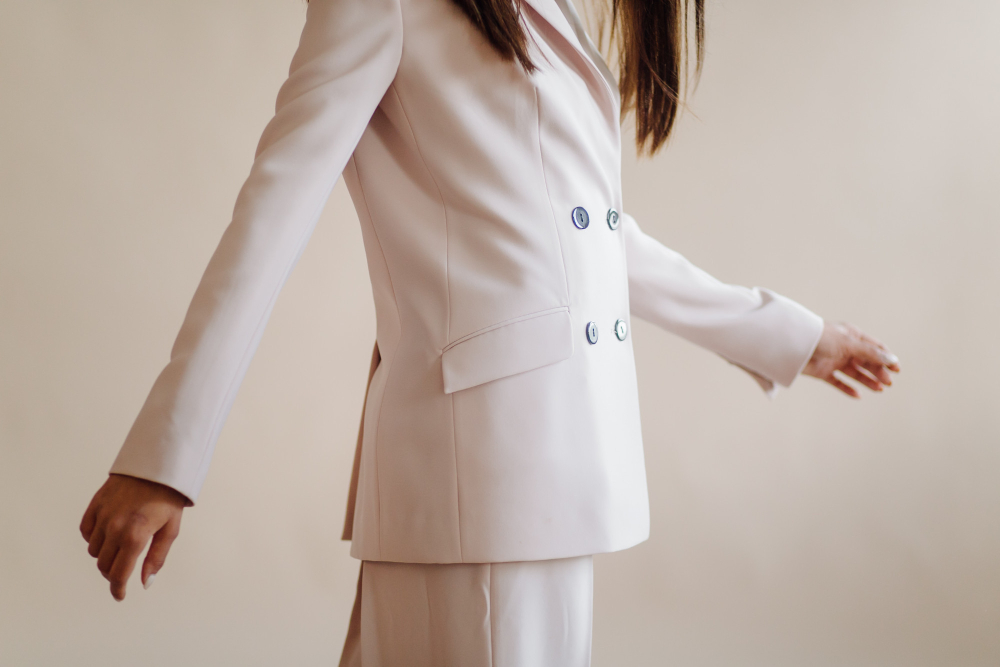
Look for clean pocket edges, secure stitching and a lining that sits smoothly. Where a design uses checks or stripes, observe how the pattern is handled around visible seams and pockets.
These details offer clues, but a sample demonstrates only part of the work. Your own garment will depend on accurate cutting, thoughtful fitting and the corrections made along the way.
Ask How Your Pattern Will Be Developed
The word “custom” can describe different services. Ask whether the tailor will create an individual pattern or adjust an existing one, then clarify how posture and differences between your shoulders will be addressed.
Find out what you will try on during fittings. An intermediate fitting allows the tailor to assess the developing garment before the final finishing stages.
While wearing it, sit, walk and reach forward. The collar should rest comfortably, the front should hang evenly and the trousers should allow natural movement. Explain any discomfort precisely so the tailor can investigate its cause.
Choose Fabric for the Life You Lead
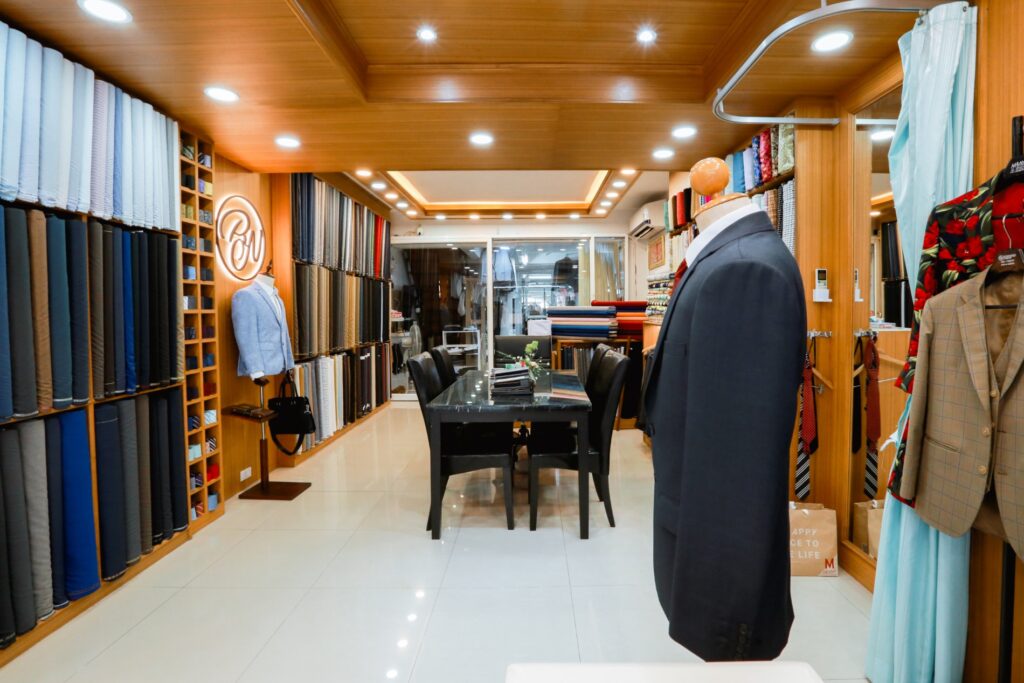
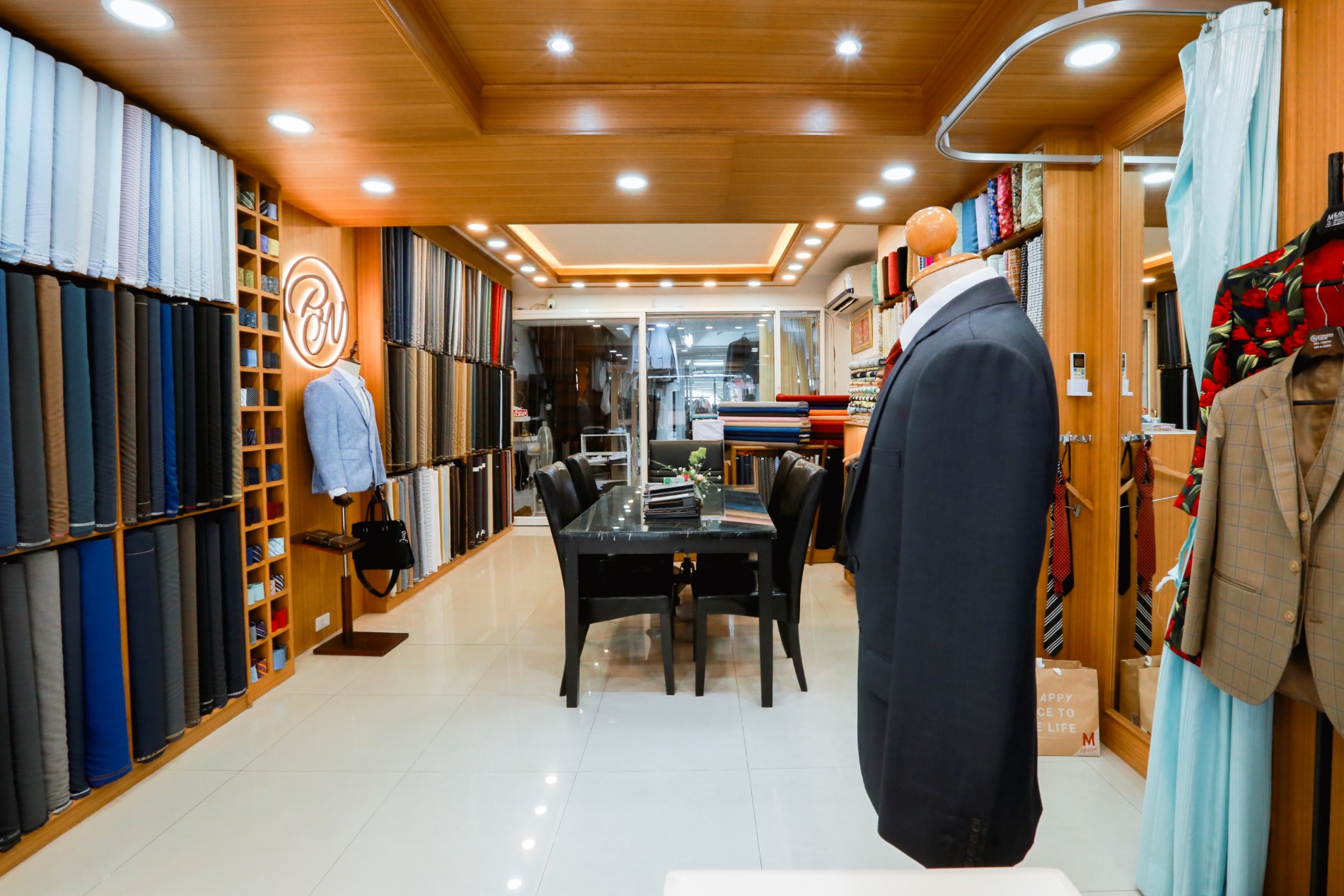
An impressive collection of swatch books becomes useful when someone helps you interpret it. The best fabric for your commission depends on how, where and how often you will wear the garment.
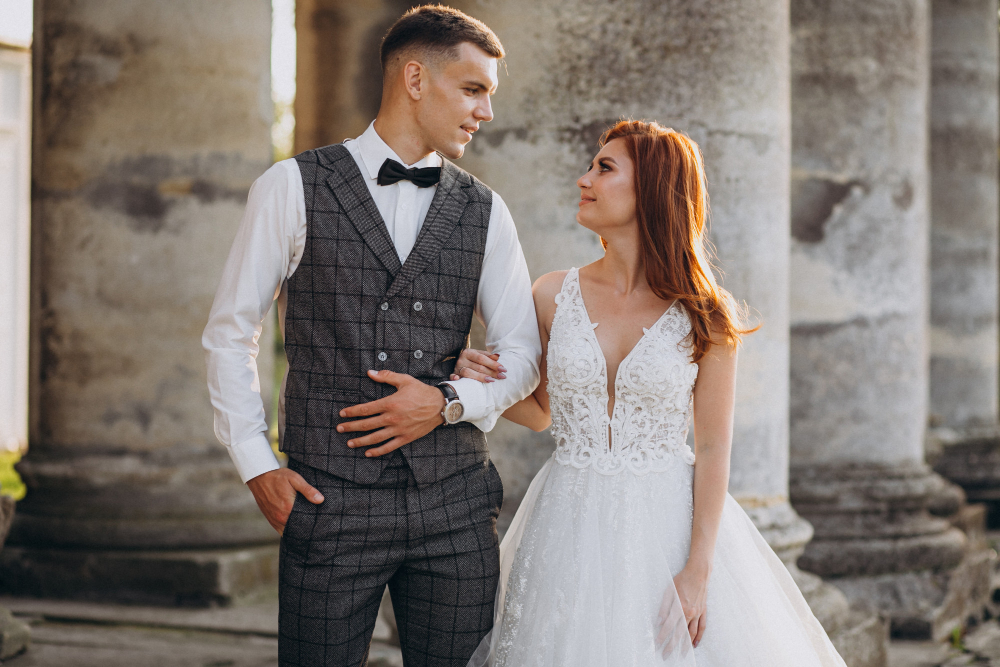
For regular business use, ask about durability, crease recovery and the way the cloth holds its shape. For an outdoor celebration, discuss breathability, lining and comfort in warm conditions.
Linen has a textured appearance and develops visible creases. Tropical wool can provide a more formal finish with an airy weave. Heavier cloth may be appropriate if your suit will mainly be worn in a cooler climate.
Premium fabric should have a clear purpose. Ask about composition, weight and provenance, and request an explanation of why one option suits your needs better than another.
Construction belongs in the same discussion. The amount of internal support and lining should complement the fabric and the silhouette you want.
Understand Who Makes the Garment
An in-house workshop gives a tailoring business direct oversight of production. When cutting, sewing and adjustments are coordinated within the same team, observations from a fitting can be communicated directly to the people handling the garment.
Workshop ownership alone does not establish quality. Pair that information with the workmanship you can inspect and the clarity of the service being offered.
At P&N Tailor, production is managed in-house, with over three decades of tailoring experience supporting the process. A team of over 20 skilled professionals contributes to the cutting, construction and finishing of custom garments.
Express tailoring is available for shorter visits. Discuss your dates before ordering so the team can confirm a workable schedule while maintaining its craftsmanship standards.
Before committing, establish:
- Your specification: Confirm fabric, design details and construction.
- Your appointments: Agree on fitting dates and leave room for corrections.
- Your quote: Clarify the total price and included services.
- Your collection: Confirm when the finished garment will be ready.
Choosing a master tailor becomes easier when each stage is explained clearly. Careful listening, visible workmanship and a practical production plan give you a stronger basis for deciding.
Message P&N Tailor on WhatsApp or visit the established Hua Hin Soi 80 workshop to discuss your wardrobe, budget and timeline with an experienced tailoring team.